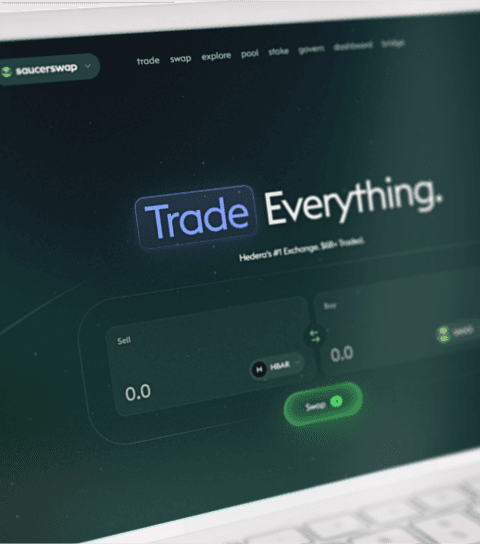
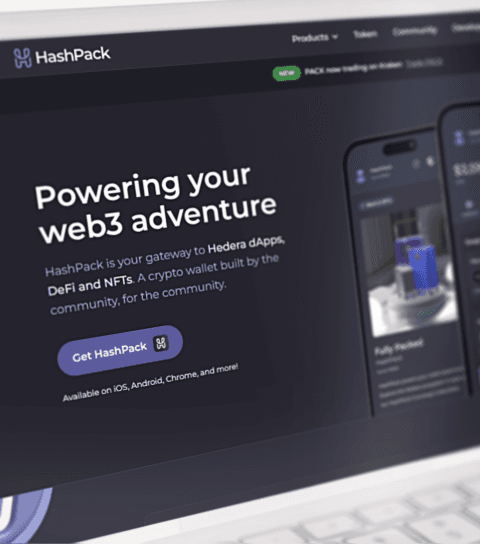
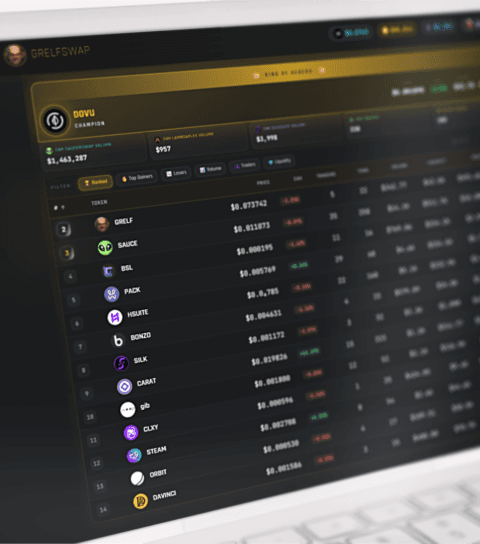
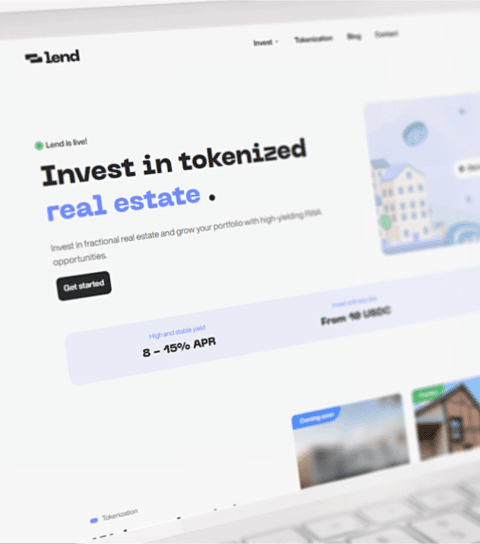
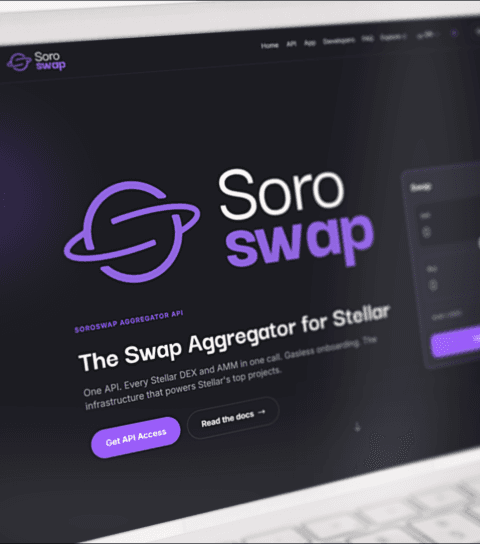
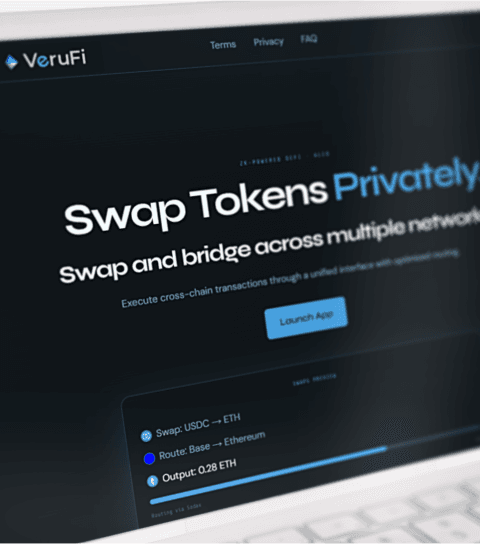
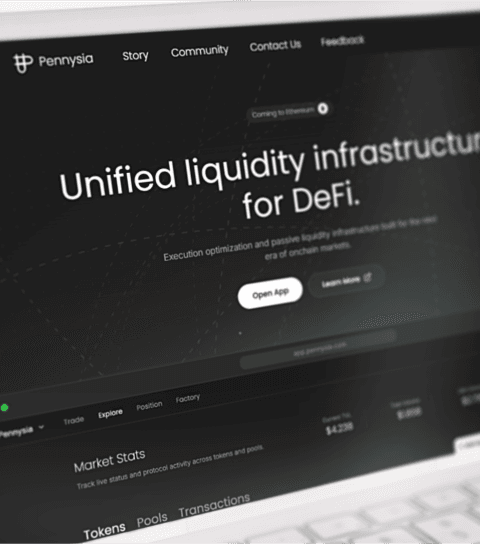
For DEXs, DEX Aggregators and Solver Marketplaces that want to offer cross-network asset exposure without building bridges or managing per-network liquidity.

For DEXs on a single network that want to offer cross-network swaps and onboard capital from any chain, so users can bring assets in, trade, and move out without leaving the app.

For wallets that want to bring new asset classes like tokenized stocks and RWAs to their users, purchasable with the assets they already hold.

For derivatives DEXs that want to offer cross-network asset exposure without building bridges or managing per-network liquidity.

For non-custodial wallets that want to add cross-network trades and real-world spending without managing bridges, liquidity, or custom integrations.

For Hedera apps that want to offer tokenized stocks, paid in HBAR or USDC and delivered to the user's own account, with no inventory or order book to run.

For RWA platforms that want investors to buy real estate bonds from any asset on any integrated network, with deposits settled in USDC in a single flow.

For DEXs on Solana that want users from other chains to onboard in one flow, bridge their assets, and land ready to trade without any contract changes.

For lending protocols on non-EVM chains that want users to deposit from any supported network, with funds flowing cross-chain into a single market in one step.

For payment platforms that want users to pay with any crypto on any of the 22+ supported networks, with the best route picked for each transaction on speed, cost, and reliability.

For e-commerce marketplaces that want buyers to pay from any integrated network with assets they already hold, keeping bridging out of checkout and the infrastructure out of sight.

For Hedera-native protocols that want to take their liquidity cross-chain in one self-custody flow, with no bridges to build and no custody to hold.

For yield vaults that want depositors to fund from any chain, routing stablecoins into a single settlement contract without manual bridging.

For wallets that want to add cross-network swaps: quotes, user-signed swaps, and status handling across chains through a single API.

For RWA vaults and protocols that want depositors to fund with any asset from any integrated chain, routed to the asset of choice, and deposited in a single step.

For DEXs and aggregators that want to list assets whose liquidity sits on other networks, without building a bridge, bootstrapping a pool, or changing how their existing routing works.

For apps on non-EVM networks that want EVM users to onboard with the wallet they already have, controlling a native smart wallet without ever leaving MetaMask.

For privacy-first DeFi platforms that want to offer users cross-chain swaps and liquidity access across 20+ networks from a single interface, without building routing infrastructure.

For liquidity marketplaces and aggregators that want intent-based execution, cross-chain liquidity, all through a single integration.

For trading apps that want cross-network onboarding to feel invisible, letting users bring funds in from any integrated network, trade, and move funds back out without a complicated bridging flow.

For DeFi platforms that want to give users access to cross-network stablecoin liquidity without building bridges, routing logic, or new infrastructure.

For cross-chain DeFi apps that want to offer intent-based trades, native stablecoin integration, and the ability to lend and borrow across chains.

For Bitcoin-native applications that want to give BTC holders trading and money-market lending across 18+ networks, self-custodied from entry to settlement, with no wrapping and no centralized exchange in the middle.
Privacy-First Cross-Chain DeFi on Aleo
For privacy-first DeFi platforms that want to offer users cross-chain swaps and liquidity access across 20+ networks from a single interface, without building routing infrastructure.
Veru Finance is a privacy-first DeFi infrastructure platform built on Aleo, enabling cross-chain asset transfers and privacy-aware financial primitives.
Users bridge and swap USDT, USDC, ETH, and ALEO across Ethereum, Base, Arbitrum, and BSC into Aleo's privacy layer, where transactions are shielded using zero-knowledge proofs.
Aleo's privacy layer is powerful, but delivering a full cross-chain experience on top of it presents structural barriers:
1. Aleo's privacy layer is isolated from liquidity sitting on major EVM and non-EVM chains.
2. Offering cross-chain swaps across many ecosystems means building and maintaining complex routing infrastructure in-house.
3. Users expect access to deep liquidity across networks without leaving a single, simple interface.
Veru needed to give its users multi-chain swap access across many ecosystems, while preserving Aleo's privacy model, without building and maintaining routing infrastructure from scratch.
Veru integrated SODAX routing to power cross-chain swaps directly inside its interface:
Previously: Cross-chain swaps would require Veru to build and maintain routing infrastructure across many ecosystems.
Now: Veru's swap interface uses SODAX routing infrastructure to execute cross-chain swaps across multiple ecosystems from a single interface.
Previously: Liquidity was limited to chains Veru could connect and maintain directly.
Now: Swaps access liquidity across Ethereum, BNB Smart Chain, Base, Arbitrum, Solana, Sui, Stellar, and other supported ecosystems.
Assets bridged into Aleo are shielded with zero-knowledge proofs, and swaps route through SODAX while users stay within a single interface. Wider liquidity access with no loss of Veru's privacy model.
Veru's swap interface uses SODAX routing to execute cross-chain swaps across 20+ chains from a single interface.
Swaps now access liquidity across Ethereum, BNB Smart Chain, Base, Arbitrum, Solana, Sui, Stellar, and more, without Veru building or maintaining routing infrastructure in-house.
Users gain cross-chain liquidity access while assets stay shielded within Aleo's zero-knowledge execution environment.
1. Foundation Layer
@sodax/sdk
Core logic powering the ecosystem: the functional modules for building with SODAX programmatically.