Built with SODAX


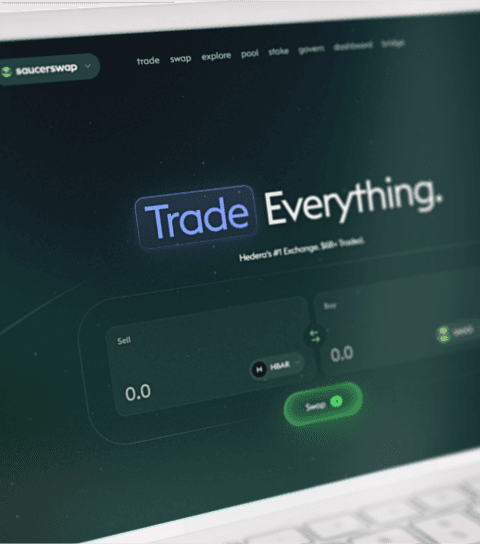

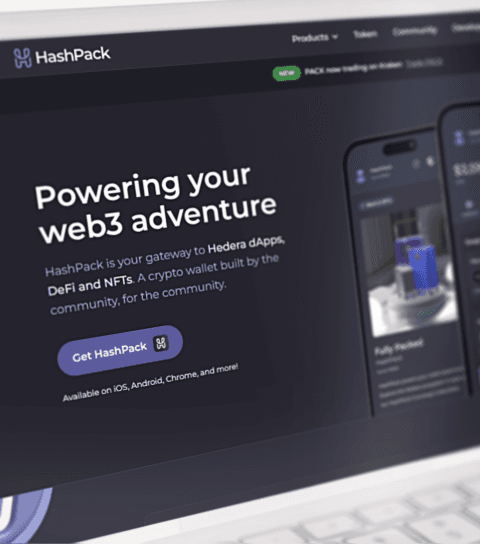


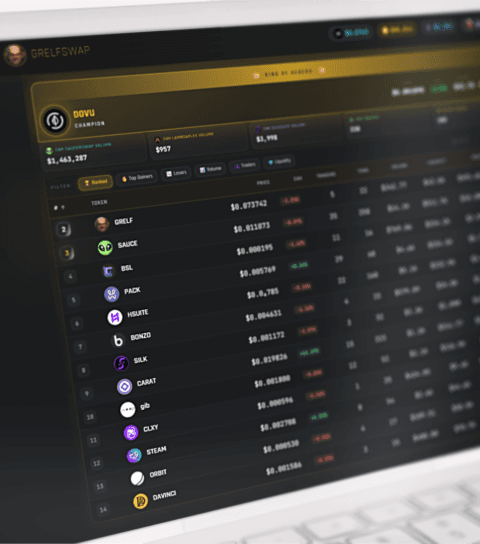

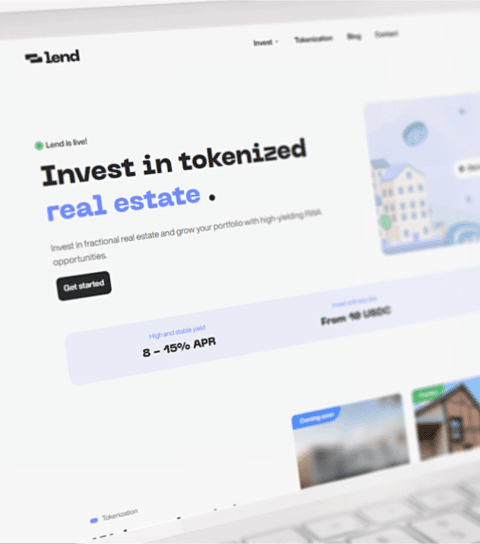
















Bound
For Bitcoin-native applications that want to give BTC holders trading and money-market lending across 18+ networks, self-custodied from entry to settlement, with no wrapping and no centralized exchange in the middle.
Hana Wallet
At a glance
- ~22 second trade execution*
- Cross-network access
- Any-network yield deposits
- Any-asset card top-ups
For non-custodial wallets that want to add cross-network trades and real-world spending without managing bridges, liquidity, or custom integrations.
About Hana Wallet
Hana Wallet is a non-custodial, multi-network crypto wallet and payments app designed to make everyday crypto use simple, giving users full control of their assets across multiple networks.
It enables cross-network trades in seconds and lets users spend crypto directly through a Web3 debit Mastercard. Hana's mission is to turn crypto into something usable in real life, not just inside Web3.
The Challenge
Wallet users face a fundamental fragmentation problem. Many need multiple wallets for different ecosystems (EVM, Sui, Solana, etc.), separate apps for DeFi, and still lack a native way to spend crypto without cashing out through centralized exchanges. For wallets trying to add cross-network trades, the barriers are structural:
Cross-network trades require managing bridges, liquidity, and complex edge cases
Scaling to new networks and assets demands custom engineering work
Existing bridge solutions are slow, risky, and confusing for users
Users experience friction at every step: bridge, wait, trade, convert to fiat to spend
Hana wanted to unify asset management, DeFi access, and real-world spending in one app. Without a simple cross-network infrastructure layer, adding trades would have required months of custom bridge management and liquidity provisioning.
The Solution
SODAX's SDK removed cross-network complexity. Hana gained three core capabilities:
Instant Cross-Chain Trades
Previously: Users had to navigate bridges manually, wait for confirmations, manage wrapped tokens, and deal with slippage.
Now: Users specify intent ("I want SOL on Solana"), and solvers handle routing and settlement. Trades settle in ~22 seconds, without manual bridging steps or user-side complexity.
Unified Liquidity Layer
Previously: Scaling to new networks meant Hana had to understand, fund, and manage multiple bridge infrastructures and liquidity pools.
Now: Hana taps SODAX's protocol-owned liquidity. Assets become available across SODAX's 18+ networks without Hana managing per-network liquidity pools.
Native Multi-Network Asset Support
Previously: Adding new networks or assets required custom development and backend integration work.
Now: SODAX's intent-based infrastructure handles routing and settlement. Hana can support new networks and assets without additional backend engineering.
The Results
A Complete Money App
Hana is no longer just a wallet. It operates as a consumer-facing money app where users hold their keys, move value across networks, and spend directly via Mastercard in supported regions, all from a single interface.
Real-World Use Cases Enabled
A freelancer gets paid in USDC on one network, trades into a stable asset on another network, and spends via the Hana card. Cross-border transfers route into the recipient's preferred network without bridge friction or exchange conversion.
Cross-Network Spending & Transfers
The integration enabled Hana to launch cross-network trades with ~22 second execution, reducing bridge delays and user confusion. Users can move and spend crypto without manually managing networks or bridge flows.
SODAX Integration
Foundation Layer
@sodax/sdk
Core logic powering the ecosystem: the functional modules for building with SODAX programmatically.
Feedback
"SODAX turned what used to be a complicated, multi-step journey into one streamlined action. Our users can now trade and spend their crypto without ever thinking about bridges or networks."