Built with SODAX
















Bound
For Bitcoin-native applications that want to give BTC holders trading and money-market lending across 18+ networks, self-custodied from entry to settlement, with no wrapping and no centralized exchange in the middle.
Port66
At a glance
- Authenticated luxury with provenance on Base
- Pay from any network with assets already held
- No bridging inside checkout
- Routing stays in the background
For e-commerce marketplaces that want buyers to pay from any integrated network with assets they already hold, keeping bridging out of checkout and the infrastructure out of sight.
About Port66
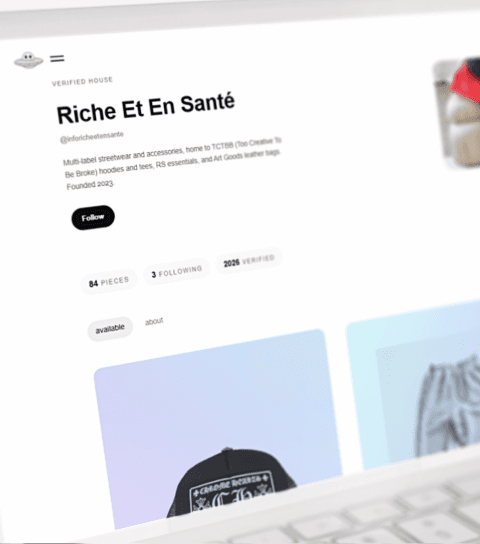
Port66 is an on-chain luxury marketplace for authenticated fashion, watches, and rare collectibles, with permanent provenance recorded on Base. Every piece is verified, certified, and kept.
Port66 is a marketplace first: its focus is getting serious buyers from intent to payment without breaking the experience, delivering the trust and experience that luxury commerce demands.
The Challenge
In luxury e-commerce, the hard part is not listing the piece, it is getting a serious buyer from intent to payment without breaking the experience. Buyers know what they want, but a checkout that asks too much loses the sale.
1. Buyers hold funds on different networks. A marketplace tied to one network limits who can pay and with what.
2. Bridging inside checkout kills sales. Buyers will not leave a listing, bridge funds, come back, and hope the item is still available.
3. High-end checkout has to feel instantaneous. On a luxury purchase, even small friction is enough to end it.
The Solution
Port66 uses SODAX so buyers can pay from 22+ supported networks with assets they already hold, while routing stays in the background.
Pay from Any Supported Network
Buyers are no longer limited by the network their funds sit on. They pay from supported networks with the assets they already hold.
No Bridging in Checkout
Bridging is taken off the buyer entirely. There is no leaving the listing to move funds and returning, so the path from intent to payment stays intact.
Routing Stays in the Background
SODAX handles routing behind the scenes, so the complexity of moving value across networks never surfaces in the buying experience.
The Same Port66 Experience
From the buyer's side, they are still just buying on Port66, whether they arrived crypto native or not. The infrastructure disappears into the experience.
The Results
1. Wider Payment Access
Port66 is no longer limited by the network a buyer holds funds on, opening the marketplace to more buyers without adding steps.
2. One Experience for Every Buyer
Crypto native or not, buyers get a single, finished checkout, with cross-network complexity hidden entirely.
SODAX Integration
Foundation Layer
Swaps API
Port66's backend calls the SODAX Swaps API for quotes, routing, and status, without exposing SODAX to the buyer.
Experience Layer
@sodax/dapp-kit
EVM execution runs on @sodax/dapp-kit using useQuote and useSwap
Port66 uses SODAX for cross-network checkout. A buyer holding funds on any of the 20+ supported networks can buy a Port66 piece without bridging first, paying in whatever they hold with settlement in USDC on Base. Port66 kept its own wallet setup rather than @sodax/wallet-sdk-react, and SODAX is never surfaced to the buyer.
Feedback
"SODAX lets buyers pay from the networks they already hold on, with routing in the background, so the infrastructure disappears into the experience."
Founder, Port66